When election coverage becomes a horse race: polls, projections and the Senedd campaign
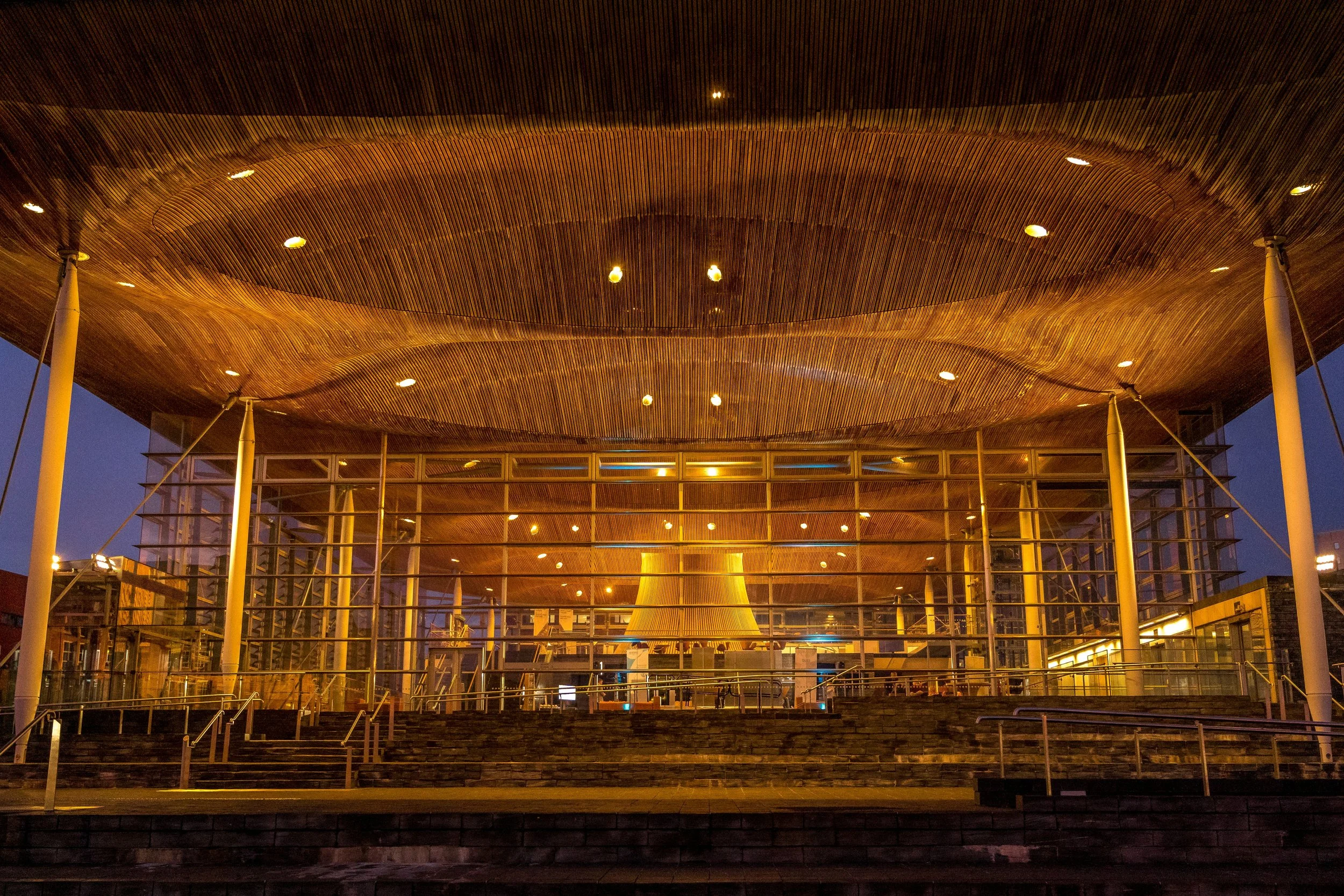
Even before the votes had been counted, the Senedd election was already being told as a story about two parties: Plaid Cymru and Reform UK. In the days after the election, that framing came under scrutiny with some criticism directed at the news media for amplifying the contest between the two parties. This included a Labour MS refusing to speak to ITV News.
At times, coverage of the Senedd election appeared to follow this horse-race logic with attention given to polls, seat projections and the question of which parties were gaining or losing support. This matters because poll-led coverage can shift attention away from policy, scrutiny and explanation towards the drama of competition. It can also risk making electoral outcomes appear more settled than they are, particularly when polls are reported without sufficient context.
It is difficult to isolate the effect that media coverage of polls and seat projections may have had on how people voted. Elections are shaped by many factors and media coverage is only one part of a wider campaign. However, our analysis suggests that polling and seat projections became increasingly prominent as the campaign progressed, particularly in the final week.
As part of our Senedd election study, we tracked election news coverage across UK-wide and Wales-specific broadcasters between 8 April and 4 May. This included flagship TV news bulletins on the BBC, ITV and Channel 4, alongside online articles from BBC Wales, ITV Wales, S4C and Sky News, and social media content produced by these outlets.
Polls and the “horse race” narrative
Across TV news, just over one in four items referenced public opinion polling. Overall, 27% of TV news items included polling references but this varied considerably by programme. Polling was especially prominent in UK-wide coverage: 57% of BBC News at Ten items, 50% of ITV News at Ten items and 50% of Channel 4 News items referred to opinion polls. By comparison, polling appeared in 21.7% of BBC Wales Today items and 24.1% of ITV Wales at Six items.
Polling also became more prominent as the campaign progressed in both volume and proportion. In Week 1, only 10% of TV news items referenced opinion polls. This rose to 12.5% in Week 2, 25.7% in Week 3 and 44.9% in Week 4. In other words, by the final week of the campaign, polling featured in just under half of all TV news items analysed. Polling also became a dominant narrative frame, with items across UK-wide and Welsh TV news using polling data to question if Labour were about to lose in Wales for the first time in one hundred years.
Where polls were referenced on TV news, the source was not often clearly stated. Across the TV dataset, 62% of polling references did not identify the source. By some margin, the most sourced poll was the ITV Wales Cymru/YouGov polls, which accounted for 32.4% of all references to polls.
In online news, polls appeared in 24% (36/112) of articles. On social media, polling appeared in 16% (12/74) of posts. In online news polling visibility remained fairly stable across the campaign. In online news, seven items referenced polls in Week 1, rising to 11 in Week 2 before remaining steady across Weeks 3 and 4 with nine items each.
Across online news and social media, the ITV Wales Cymru/YouGov poll was the most referenced. It appeared in 14 online news articles and seven social media posts, far exceeding any other polling source. Other polls appeared only occasionally while some polling references did not specify the organisation behind them.
Seat projections
Most items that referenced polling did not include seat projections, but they were examined more in the final weeks of the campaign. On TV news, seat projections appeared only six times during the campaign. Four of these were on ITV Wales at Six where they were linked to coverage of the broadcaster’s YouGov poll. BBC Wales Today and Channel 4 News each included one item about seat projections, whereas BBC News at Ten and ITV News at Ten did not include any.
Seat projections received limited coverage in online and social media coverage. In online news, 16% (24/148) of articles included seat projections. These became more common in the final week when they featured in 10 online items. On social media, seat projection appeared in 8% (7/ 86) of posts overall, four of which were published in the final week.
Did media coverage squeeze the vote?
It would be too strong to claim that media coverage of polls and projections directly changed the result. The relationship between campaign coverage and voting behaviour is complex and the polls being reported were not simply media inventions: many accurately captured key trends in public opinion.
However, when polling and seat projections shaped coverage, they often focused attention on Plaid Cymru and Reform UK. This reflected both parties’ campaign messaging, framing the election as a two-horse race. As the campaign progressed, and particularly in the final week, coverage increasingly returned to questions of which party was ahead and whether the contest was narrowing around these two parties.
This raises important questions about how broadcasters should report polling in a proportional voting system. Unlike in a first-past-the-post contest, parties outside the top two may still play an important role in the final composition of the Senedd and in post-election negotiations. As a result, a strong focus on a “two-horse race” may risk obscuring the wider range of choices available to voters and how Parliaments function when they elect politicians in proportional voting systems.
When coverage is fuelled by the latest polls and reporting is focuses on who’s up or down without also explaining the voting system, the role of smaller parties, or the range of possible post-election outcomes, it risks narrowing public understanding of the campaign. Research showed before and during the election campaign that public understanding of the Senedd’s new voting system was limited.
Taken together, our findings suggest that polls and seat projections received prominent coverage in the final week of the campaign. As election day approached, broadcasters placed greater emphasis on public opinion, likely outcomes and party momentum. In doing so, it crowded out coverage of the parties’ policies and scrutiny of them.
A version of this blog featured in The Conversation.